In This Article
- 1 Understanding the Frustration of a Non-Draining Washer
- 2 Investigating the Drain Hose for Kinks and Clogs
- 3 Checking the Lid Switch Assembly Functionality
- 4 Examining the Drain Pump for Obstructions
- 5 Addressing Issues with the Belt or Motor
- 6 Troubleshooting the Coin Trap or Filter
- 7 Dealing with Electronic Control Board Glitches
- 8 Preventive Maintenance to Avoid Future Issues
- 9 FAQ
- 10 Conclusion
Understanding the Frustration of a Non-Draining Washer
Finding a pool of murky water at the bottom of your laundry drum is incredibly frustrating. You expected clean, dry clothes, but instead, you found a soaked mess. This scenario is a common household headache. Consequently, many people search online for answers to why is my washing machine not draining. This problem brings laundry day to a sudden halt. Furthermore, wet clothes that sit in water for too long can develop a mildew smell. This creates an urgency to fix the appliance immediately. Fortunately, most drainage issues have simple causes. You do not always need to call a professional repair person. Often, the solution requires just a bit of patience and some basic tools.
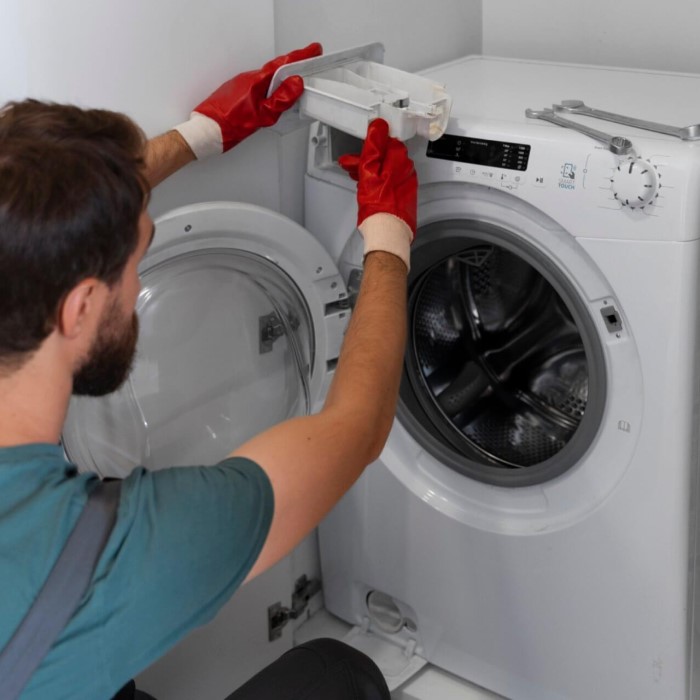
Moreover, understanding how your machine works is the first step. A washing machine relies on several components to remove water. These include the drain pump, the hose, and various filters. If any one of these parts fails, the entire system stops. Therefore, diagnosing the root cause is essential. You must think like a detective. Look for clues such as strange noises or error codes. Additionally, check if the machine spins. A machine that spins but does not drain points to a specific set of problems. In this article, we will explore the most common reasons for this malfunction. We will provide a step-by-step guide to help you troubleshoot. By following these tips, you can save both time and money. Ultimately, restoring your washing machine’s function will bring relief. Your laundry routine will return to normal quickly.
Investigating the Drain Hose for Kinks and Clogs
Why is my washing machine not draining? The drain hose is a critical component for water removal. It carries the used water from the machine to your home’s drain pipe. Therefore, it is a prime suspect when water remains in the drum. First, inspect the hose visually. Check if it is kinked or crushed. Sometimes, pushing the washer too close to the wall crushes the hose. This stops the water flow immediately. Consequently, you should pull the machine out gently. Straighten any bends you find. This simple action might solve the entire problem. Furthermore, check where the hose connects to the drain pipe. Sometimes, debris blocks the opening there.
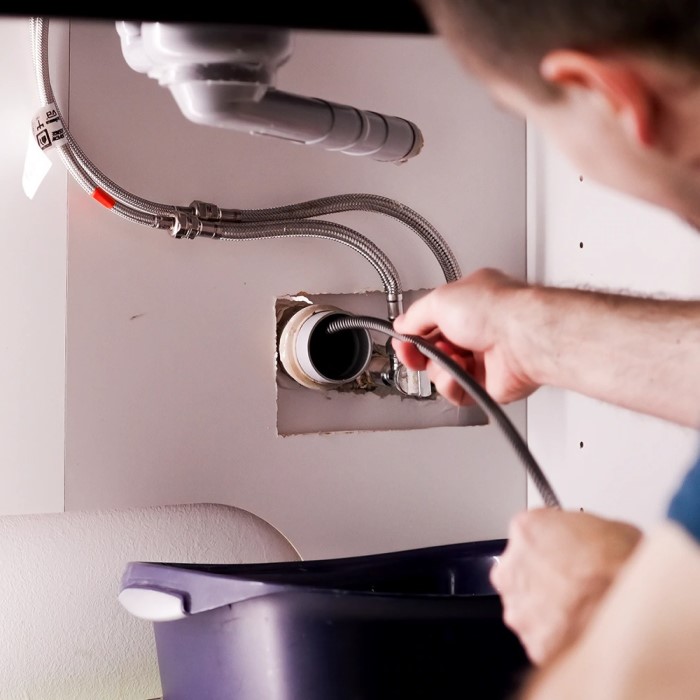
Additionally, clogs frequently form inside the hose itself. Small fabric particles or lint can build up over time. This creates a partial or full blockage. To check this, you must detach the hose. Have a bucket and towels ready. Water will likely spill out. Therefore, prepare for a small mess. Use a flashlight to look inside the hose. You might see a lump of debris. You can use a long, flexible brush to clean it out. Alternatively, take the hose outside and flush it with a high-pressure garden hose. This dislodges stubborn clogs effectively. Moreover, check the air gap or “U” shape where the hose mounts.
This shape prevents backflow. However, it is also a trap for debris. Ensure this section is completely clear. If the hose is old and brittle, consider replacing it. A new hose is a small investment for smooth operation. Regularly checking this part prevents future blockages.
Checking the Lid Switch Assembly Functionality
Why is my washing machine not draining? The lid switch is a safety feature on most top-loading washing machines. It prevents the washer from spinning or draining while the lid is open. Consequently, a faulty switch is a common reason for drainage failure. The machine essentially thinks the lid is open. Therefore, it refuses to proceed to the spin cycle. You can often hear a clicking sound when you close the lid. This sound indicates the switch is engaging. If you do not hear a click, the switch might be broken. Furthermore, the machine may fill and agitate but stop before draining. This specific behavior points directly to the switch.
To test this, you can open and close the lid a few times. Listen closely for the click. If the switch is silent, you need a multimeter for further testing. This tool checks for electrical continuity. First, unplug the machine for safety. Then, access the switch, which is usually under the lid frame. Remove the two wires connected to it. Set the multimeter to the ohms setting. Touch the probes to the switch terminals. If the reading is zero or close to zero, the switch has continuity. However, if the reading is infinity, the switch is dead. Therefore, it needs replacement. This repair is relatively straightforward.
You can buy a replacement part at a local hardware store. Also, check the actuator arm. This is the plastic piece that strikes the switch. If it is broken, the switch will not activate. Replacing the actuator is often easier and cheaper than replacing the switch. Consequently, check both parts carefully before spending money.
Examining the Drain Pump for Obstructions
Why is my washing machine not draining? The drain pump is the heart of the drainage system. It actively pumps water out of the machine. Therefore, a malfunction here guarantees water retention. There are two main types of pumps: belt-driven and direct-drive. First, listen to the machine during the drain cycle. Do you hear a humming sound? A humming sound usually means the pump is receiving power. However, it might be jammed. Sometimes, a small item like a coin or a sock gets stuck in the impeller. The impeller is the fan-like blade that moves water. Consequently, the pump cannot spin. You need to access the pump to clear this debris.
Additionally, some pumps have a filter or a trap. This is especially common on front-loading washers. Check your machine’s manual to locate this trap. It is usually behind a small panel at the bottom front. Place a shallow pan underneath it. Then, twist the cap off slowly. Water will gush out. Therefore, go slowly to avoid a flood. You might find buttons, lint, or small coins inside. Remove all this debris. This often restores the pump’s function immediately. However, if the pump is silent and does not hum, the motor might be burnt out. In this case, you need a multimeter to test the pump motor for continuity.
If it fails the test, you must replace the entire pump assembly. This is a slightly more advanced repair. Yet, it is still manageable for a confident DIY enthusiast. Clear instructions are often available in the owner’s manual or online repair videos. Thus, you can tackle this issue with confidence.
Addressing Issues with the Belt or Motor
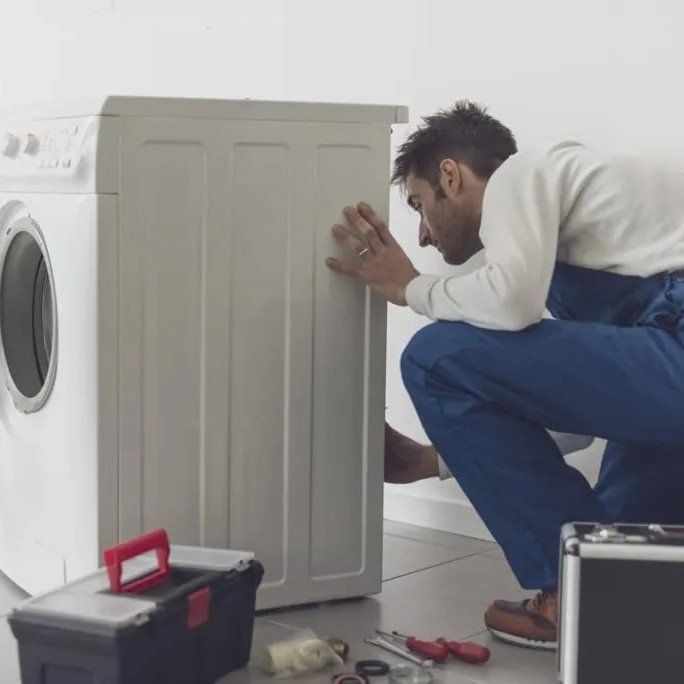
Why is my washing machine not draining? Older washing machines often use a belt to transfer power from the motor to the transmission and pump. If this belt is broken or loose, the drum will not spin, and the pump will not drain. Therefore, you must inspect the belt physically. You will need to remove the back panel of the washing machine. Make sure you unplug the machine first. Once the panel is off, locate the belt. It is a large black rubber loop. Look for signs of wear and tear. It might be frayed, cracked, or completely snapped. Furthermore, press on the belt. It should have some tension. If it feels loose or slips easily, it requires adjustment or replacement.
Moreover, the motor itself could be the culprit. The motor drives the belt. If the motor is dead, nothing moves. You can test the motor windings with a multimeter. If the motor has failed, it will not show continuity. Replacing a motor is a more expensive repair. Consequently, you might want to weigh the cost against buying a new machine. However, motor failure is less common than a broken belt. Also, check the motor coupler in direct-drive machines. This plastic piece connects the motor to the transmission. It is designed to break if the machine is overloaded. This protects the more expensive motor and transmission.
If the coupler is broken, the machine will fill and drain but not agitate or spin. Therefore, replace the coupler if it is damaged. This is a cheap and common fix. Always handle electrical components with care. Ensure you reconnect all wiring harnesses correctly during reassembly. Thus, your machine will power up properly.
Troubleshooting the Coin Trap or Filter
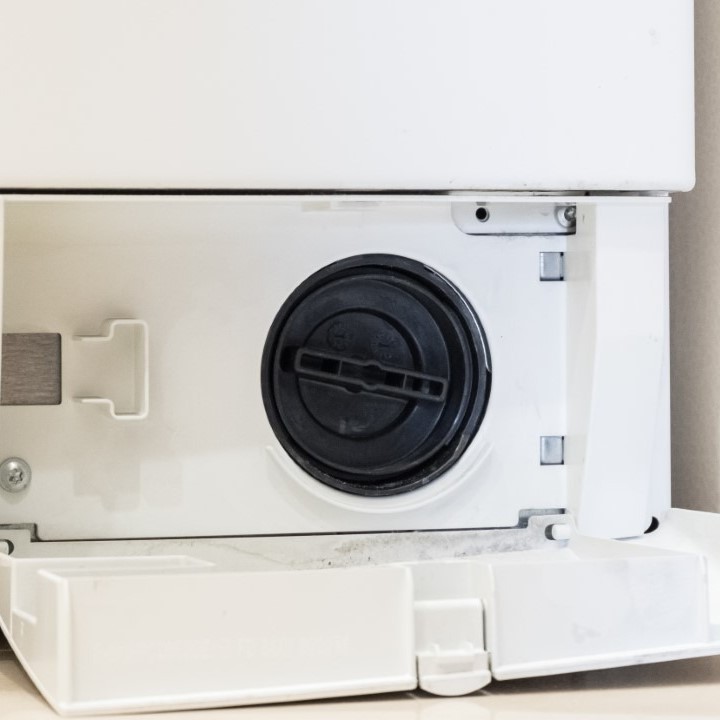
Many modern washing machines, especially front-loaders, come equipped with a coin trap or filter. This component is designed to catch foreign objects before they enter the pump. It protects the pump from damage. Therefore, a clogged coin trap can stop water from draining completely. Most owners forget this filter exists. It slowly fills with debris over months or years. Eventually, water cannot pass through. Consequently, the drain cycle fails. You can find this filter behind a small access door on the front of the machine. It is located at the bottom right or left corner.
To clean it, you must first drain the water. Open the small panel. You will see a round knob and a small black rubber tube. Place a tray under the rubber tube. Pull the plug on the tube to drain the water. This prevents a massive spill on your floor. Once the water is gone, turn the round knob counter-clockwise. Pull the filter out. You might be surprised by what you find. There could be coins, hairpins, buttons, and accumulated lint. Clean the filter screen thoroughly under running water. Use an old toothbrush to scrub away stubborn grime. Furthermore, look into the hole where the filter sits.
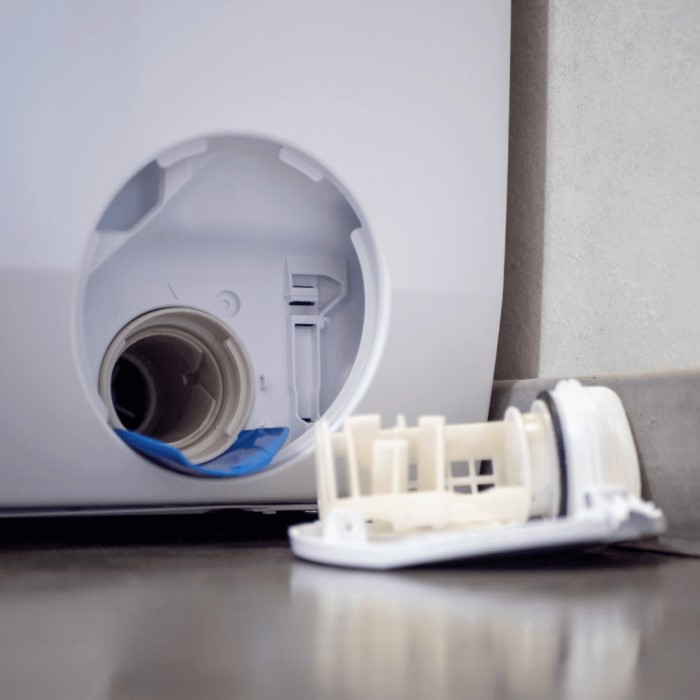
Check for any debris in the pump intake. Then, screw the filter back in tightly. Ensure it is secure to prevent leaks. This maintenance task should be done every month or two. It improves drainage efficiency significantly. Therefore, it prevents future breakdowns. It is a simple habit that saves money.
Dealing with Electronic Control Board Glitches
Modern washing machines rely on sophisticated electronic control boards. These boards act as the brain of the appliance. They tell the machine when to fill, spin, and drain. Occasionally, these boards can malfunction. A power surge or a short circuit might confuse the logic. Consequently, the machine gets stuck in a cycle. It may fill with water but ignore the drain command. To address this, try a “hard reset.” Unplug the washing machine from the wall outlet. Leave it unplugged for about five to ten minutes. This allows the electrical charge to dissipate. It forces the board to reset its memory. Then, plug the machine back in. Try running a drain and spin cycle. This simple trick often resolves minor software glitches.
However, if the reset does not work, the control board might have a physical defect. You may see a burned connection or a charred spot on the board. Accessing the control board usually requires removing the top or back panel. Handle the board with extreme care. Static electricity can damage it further. If you suspect the board is faulty, consult a professional.
Replacing a control board is expensive. Therefore, rule out all other mechanical failures first. Check the pump, belt, and hoses. If everything else works, the board is the likely culprit. Also, check the wire harness connections. A loose wire can interrupt signals to the drain pump. Consequently, the pump never receives the command to start. Secure every connection firmly. Proper diagnosis is key to avoiding unnecessary part replacements.
Preventive Maintenance to Avoid Future Issues
Prevention is always better than repair. Once you have fixed the current drainage problem, you should take steps to prevent it from happening again. Regular maintenance extends the life of your washing machine. First, watch what you put in the machine. Always check pockets for coins, keys, and tissues. These small items are the primary cause of clogs. Therefore, make pocket-checking a habit for everyone in the family. Furthermore, use the correct amount of detergent. Too much detergent creates excess suds. These suds can confuse the sensors and leave residue. This residue can build up in the drain hose.
Additionally, clean the machine regularly. Run an empty cycle with hot water and vinegar once a month. This dissolves mold and detergent buildup. It keeps the internal hoses clear. Also, inspect the hoses every few months. Look for cracks or bulges. Replace them every five years, even if they look fine. The rubber degrades over time.
Moreover, leave the door or lid slightly ajar when the machine is not in use. This allows the drum to dry out. It prevents mold growth and bad odors. It also protects the seal on front loaders. Furthermore, ensure the machine is level. A machine that shakes violently during the spin cycle can damage internal components. Adjust the feet on the bottom of the machine until it sits flat. These simple tasks require minimal effort. However, they save you from the headache of searching for why is my washing machine not draining again. A little care goes a long way.
FAQ
How do you fix a washing machine that is not draining?
First, check the drain hose for kinks or clogs. Then, clean the coin trap or filter. If that fails, inspect the drain pump and lid switch for damage or debris.
How do I force my washing machine to drain?
Most machines have a “Drain & Spin” cycle on the dial. Select this setting. Alternatively, some machines have a dedicated “Drain” button. If these don’t work, use a drain hose or a bucket to manually remove the water.
Why is standing water left in my washer?
Standing water usually indicates a blockage. It could be a clogged drain hose, a blocked pump filter, or a stuck check valve. It might also mean the drain pump itself has failed.
How do I know if my washing machine drain pump is clogged?
Listen for a humming noise from the machine. If the pump hums but no water drains, it is likely clogged or jammed. If it is silent, the pump motor might be broken.
Conclusion
Dealing with a broken appliance is never fun. However, understanding why is my washing machine not draining empowers you to fix it. We have explored the most common causes. These range from simple kinks in the hose to complex electronic failures. Most of these issues are manageable without professional help. By following the steps in this guide, you can diagnose the problem quickly. You can also save a significant amount of money on repair bills. Remember to always prioritize safety. Unplug the machine before working on it. If a repair feels beyond your skill level, call an expert. There is no shame in asking for help. Ultimately, a functioning washing machine is vital for a smooth-running home. With these tips, you can keep your laundry routine on track. You will never fear a full drum of water again.