Sunglasses prevent melanin production by blocking harmful UV radiation that triggers pigment formation. This process is not just about comfort or style—it’s a key part of protecting both your eyes and skin from long-term damage. When sunlight hits the skin around the eyes, it stimulates melanocytes to produce more melanin as a defense.
This increased pigmentation often appears as dark spots, sun freckles, or uneven skin tone. Over time, repeated exposure without protection worsens these effects. Therefore, wearing sunglasses consistently helps reduce unnecessary melanin activation. The phrase “sunglasses prevent melanin production” reflects a real biological response tied to UV defense mechanisms.
In This Article
 Understanding Melanin and Its Role in Skin Defense
Melanin is a natural pigment produced by cells called melanocytes. It gives color to skin, hair, and eyes. More importantly, it acts as the body’s first line of defense against ultraviolet (UV) rays. When UV light penetrates the skin, melanocytes ramp up melanin production to absorb and scatter radiation.
This process protects deeper layers of skin from DNA damage. However, excessive or repeated exposure overwhelms this system. As a result, hyperpigmentation occurs in the form of dark patches or melasma. These changes are especially noticeable around the eyes and cheeks.
The area under and around the eyes has thinner skin. It lacks the same level of protective fat found elsewhere. That makes it more vulnerable to UV penetration. Consequently, melanin overproduction happens faster in this region.
Genetics also influence how much melanin one produces. Some individuals develop pigmentation more easily than others. Still, environmental exposure plays the largest role. Without proper protection, even low-level daily UV adds up.
Sunlight through clouds still carries UV rays. Up to 80% of UV can pass through overcast skies. This means protection is needed year-round. Daily use of sunglasses prevents cumulative stress on melanocytes.
By limiting UV stimulation, sunglasses help maintain balanced melanin levels. They do not stop normal pigmentation. Instead, they prevent the spike caused by unprotected exposure.
How UV Light Triggers Pigment Formation
Ultraviolet A (UVA) rays penetrate deep into the dermis. Unlike UVB, which burns the surface, UVA reaches the lower layers where melanocytes live. This direct exposure signals cells to begin producing melanin.
The process starts within minutes of sun contact. Enzymes like tyrosinase activate and convert amino acids into pigment. This reaction continues until the threat diminishes. Hence, longer exposure equals more melanin output.
Visible signs appear days later. Darkening becomes visible as tan lines or age spots. In sensitive areas like under the eyes, discoloration develops gradually. It may take weeks to notice without regular mirror checks.
Blue light from digital screens adds another layer. Though less intense, prolonged exposure may contribute to pigmentation. Some studies suggest it stimulates melanin similarly to UV.
Sunglasses with full UV400 protection block wavelengths up to 400 nanometers. This includes both UVA and UVB. By filtering these rays, they cut off the signal that tells melanocytes to activate.
Polarized lenses add extra benefits. They reduce glare from reflective surfaces like water or pavement. This improves visual clarity while maintaining UV defense.
Wearing sunglasses during peak hours (10 a.m. to 4 p.m.) increases effectiveness. Even short walks expose delicate eye-area skin. Consistent use keeps melanin production steady.
Ultimately, preventing unnecessary triggers supports healthier, more even-toned skin.
 How Sunglasses Help Regulate Melanin Production
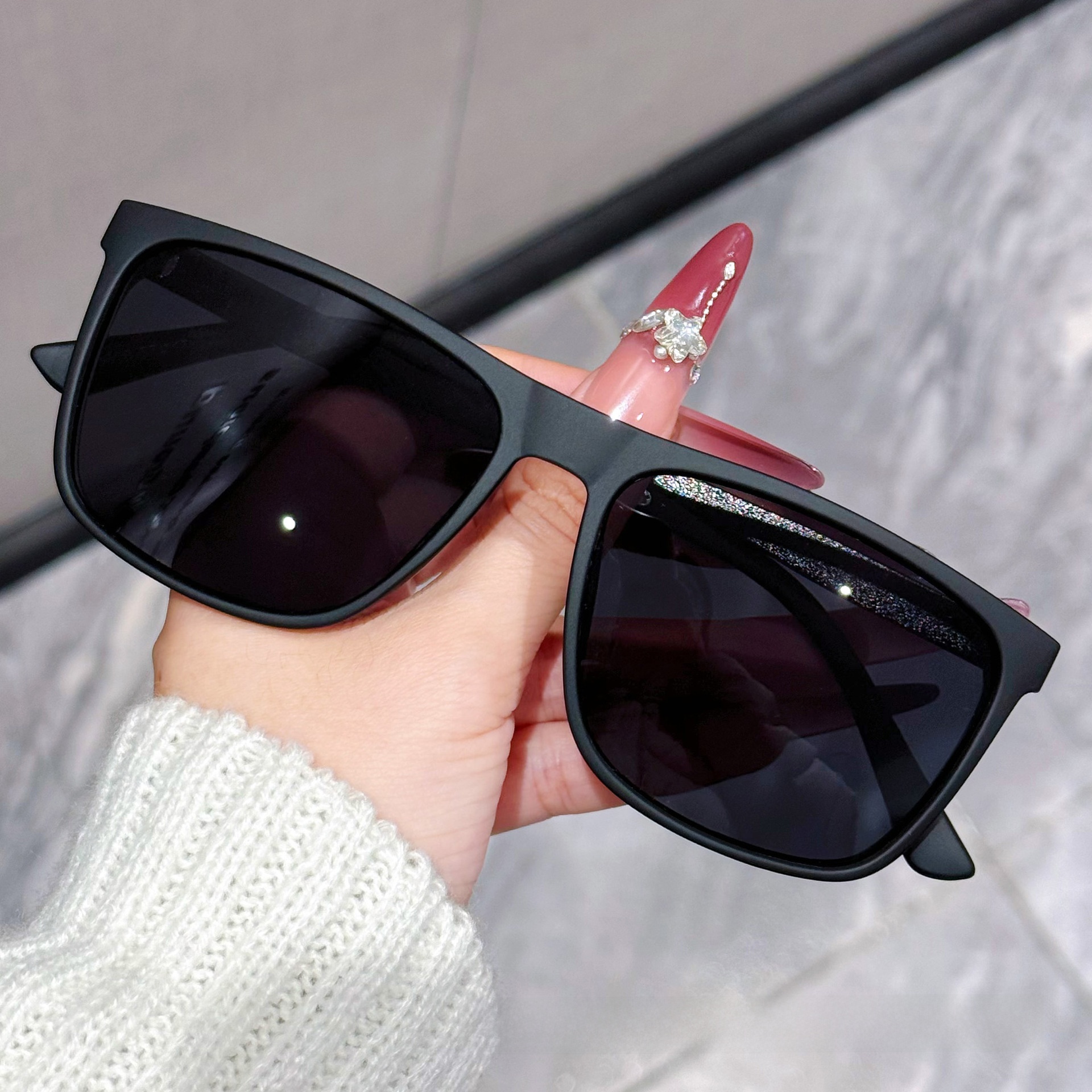
High-quality sunglasses play an active role in regulating melanin production. They act as a physical barrier between UV rays and facial skin. This reduces the frequency and intensity of pigment-stimulating events.
When you wear sunglasses, less light reaches the orbital area. That includes the eyelids, under-eye region, and upper cheeks. These zones contain high concentrations of melanocytes. Limiting their exposure slows pigment buildup.
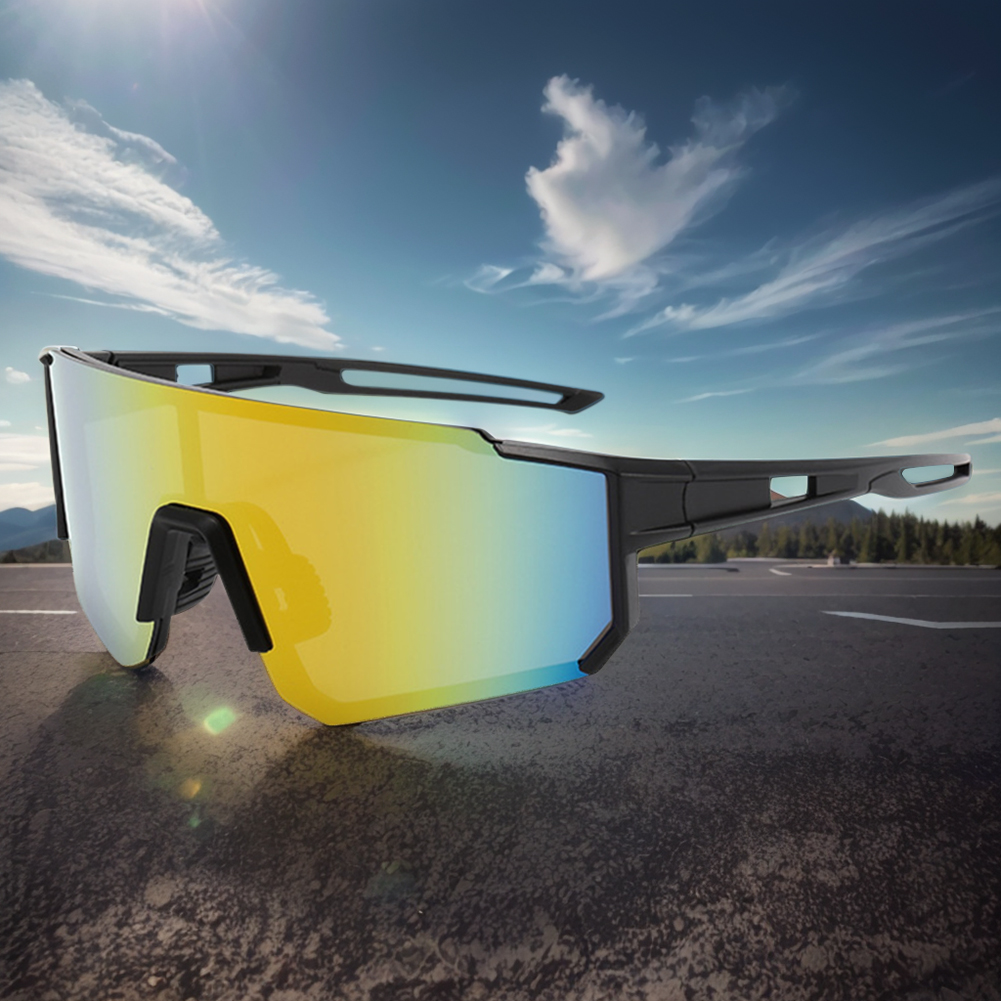
Wraparound styles offer superior coverage. They shield the sides of the face. Peripheral UV can come at angles, especially near reflective surfaces. Side shields stop stray light from reaching sensitive zones.
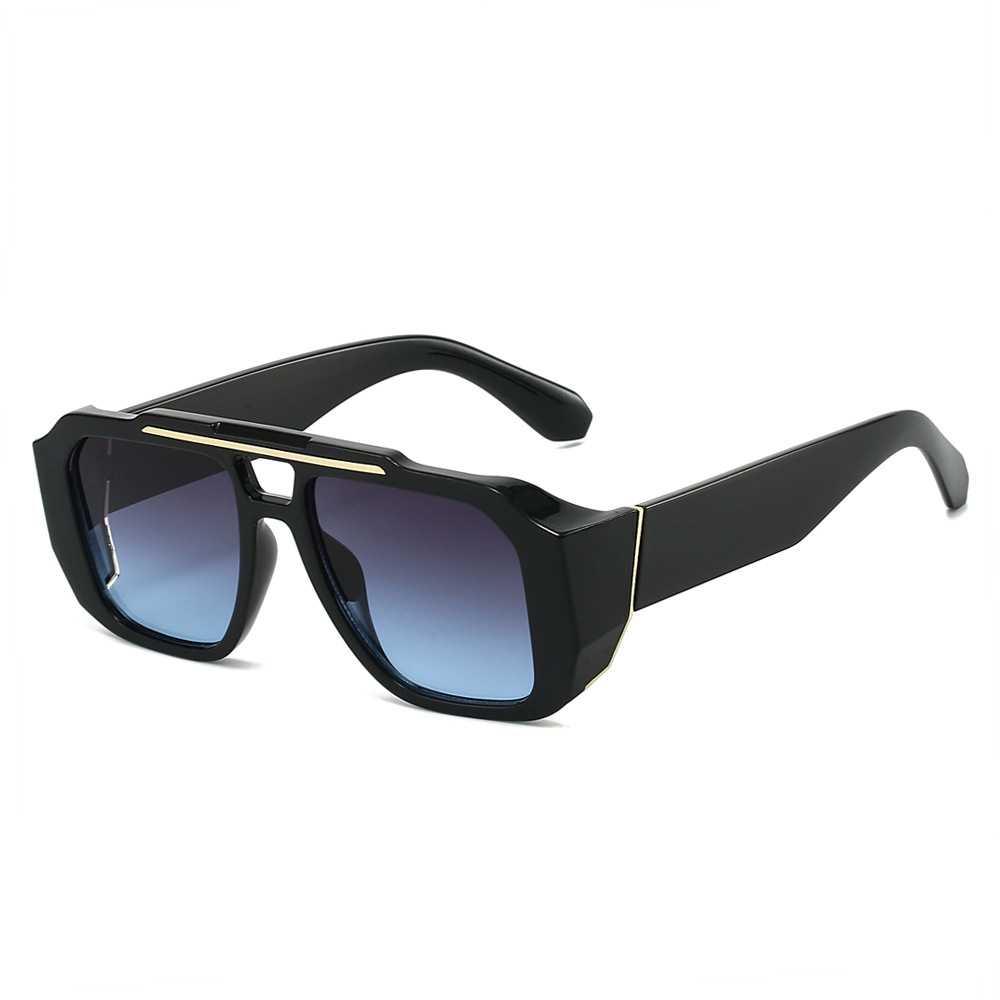
Larger frames cover more surface area. Oversized or aviator designs extend beyond the cheekbones. This blocks UV before it hits the thin skin beneath the eyes.
Lens tint does not affect UV protection. Darker lenses don’t automatically block more UV. Clear lenses can have UV400 coating too. Always check for a label stating “100% UV protection.”
Anti-reflective coatings on the back of lenses prevent bounce-back. UV can reflect off the back surface onto the eyes and surrounding skin. Dual-side protection ensures full coverage.
Children benefit greatly from early use. Their skin is more sensitive. Sun damage begins young. Starting sunglass habits early reduces lifelong pigmentation risks.
Even on cloudy days, UV remains present. Melanin production doesn’t pause. Wearing sunglasses every day maintains consistent protection.
Over time, regulated exposure leads to fewer dark spots. Skin tone stays even. The need for corrective treatments decreases.
With regular use, sunglasses prevent melanin production spikes. This supports long-term skin health.
Choosing the Right Sunglasses for Maximum Protection
Not all sunglasses provide equal defense. To truly ensure that sunglasses prevent melanin production, choose wisely. Start by checking for a UV400 label. This confirms full-spectrum protection.
Polarized lenses improve visual comfort. They reduce glare from horizontal surfaces. While not required for UV blocking, they enhance overall performance.
Frame shape matters. Wraparound models limit side exposure. Avoid small or narrow frames if you spend long hours outdoors. Coverage should extend past the outer corners of the eyes.
Lens size influences protection level. Larger lenses cover more skin. They block overhead and angled sunlight. This reduces indirect UV hitting the forehead and temples.
Material quality affects durability. Polycarbonate lenses resist impact. They also naturally block UV when treated. Acetate or metal frames last longer with proper care.
Color choice is personal. Gray lenses preserve true colors. Brown enhances contrast. Green reduces glare well. Select based on your environment and needs.
Fit is essential. Glasses should sit close to the face. Gaps allow light leakage. Adjustable nose pads help achieve a snug fit.
Prescription sunglasses are available. People who need vision correction can still get full UV defense. Photochromic lenses darken in sunlight but must still offer UV400.
Replace damaged or scratched lenses. Deep scratches scatter light. They may increase eye strain. Old coatings degrade over time.
Buy from trusted brands or optical retailers. Counterfeit sunglasses often lack real UV filters. Fake branding misleads buyers into false security.
Always prioritize function over fashion. The best pair combines safety, fit, and reliable labeling.
 Skin Conditions Linked to Unprotected Sun Exposure
Frequent UV exposure without sunglasses contributes to several skin conditions. One common issue is periorbital hyperpigmentation. This refers to darkening around the eyes. It results from chronic melanin overproduction.
Another condition is melasma, often called the “mask of pregnancy.” Hormonal changes make it worse. But sun exposure triggers and deepens the patches. UV reactivates dormant pigmentation.
Solar lentigines, or sun spots, appear on exposed areas. These flat, brown spots grow larger with continued exposure. They are most visible on cheeks, nose, and upper lip.
Actinic keratosis is a precancerous growth. It forms due to long-term UV damage. Though not directly linked to melanin, it shows how deep harm can go.
Photoaging accelerates wrinkle formation. Collagen breaks down faster. Skin loses elasticity. Fine lines deepen around the eyes. This happens earlier in those without sun protection.
Eyelid dermatitis can flare up after UV exposure. Sensitive skin reacts with redness and dryness. Repeated irritation leads to thickened texture.
Premature aging affects appearance and confidence. Many people seek cosmetic fixes later. Prevention through sunglasses is far more effective.
These conditions share one root cause: unfiltered UV light. The eyes and surrounding skin are among the first affected. Daily protection reduces risk significantly.
Even indoor exposure counts. Sitting near windows exposes you to UVA. Car drivers often show more sun damage on the left side.
Protecting the eye area with sunglasses limits multiple pathways of damage. It helps avoid both cosmetic and medical issues.
Long-Term Benefits of Consistent Sunglass Use
Using sunglasses every day delivers lasting benefits. First, it prevents excessive melanin production. This leads to more even skin tone over time. Fewer dark spots mean less reliance on concealers or treatments.
Second, it reduces signs of premature aging. Wrinkles form slower when collagen stays intact. The delicate eye area resists creasing better. Skin remains smoother and firmer.
Third, eye health improves. Chronic UV exposure raises cataract risk. Macular degeneration may be delayed. Lens clarity lasts longer with protection.
Fourth, immune function in the skin strengthens. UV weakens local defenses. Regular shielding allows repair cycles to work properly. Healing happens faster after minor injuries.
Fifth, confidence grows. People feel better when their skin looks healthy. Avoiding blotchiness supports self-esteem. No one wants to explain dark circles as sun damage.
Sixth, medical costs decrease. Fewer visits for pigmentation therapy mean savings. Laser treatments, peels, and creams are expensive. Prevention avoids them.
Seventh, habits become automatic. Once wearing sunglasses feels routine, skipping them feels wrong. This consistency builds long-term discipline.
Eighth, children learn by example. Parents who wear sunglasses teach kids to value protection. Early adoption sets lifelong patterns.
Finally, awareness spreads. Talking about UV risks educates others. Friends may start wearing sunglasses too. Collective change follows individual action.
The long game favors those who protect daily. Sunglasses prevent melanin production spikes. This supports beauty and health together.
 Common Myths About Sunglasses and Skin Protection
Many misconceptions exist about sunglasses and their role in skin health. One myth claims only fair-skinned people need UV protection. However, all skin types produce melanin. Darker tones still suffer pigmentation issues.
Another false belief says cloud cover eliminates UV risk. In reality, 80% of UV rays pass through clouds. Melanin production continues without visible sunlight.
Some think cheap sunglasses offer enough protection. But many budget pairs lack proper UV filters. They may darken the view but not block radiation. This causes pupils to dilate, increasing UV entry.
A popular idea is that sunscreen alone is sufficient. While topical products help, they wear off. Areas near the eyes are hard to reapply. Sweat and blinking remove cream quickly.
People assume nighttime exposure is safe. Yet blue light from phones and screens may stimulate melanin. Daytime sunglasses do not fix this. But good habits support overall balance.
Others believe tanning beds are safer than sun. These lamps emit concentrated UVA. They accelerate melanin production. Risk of uneven pigmentation rises sharply.
There’s also confusion about lens color. Darker lenses do not mean better UV protection. A clear lens with UV400 beats a black one without coating.
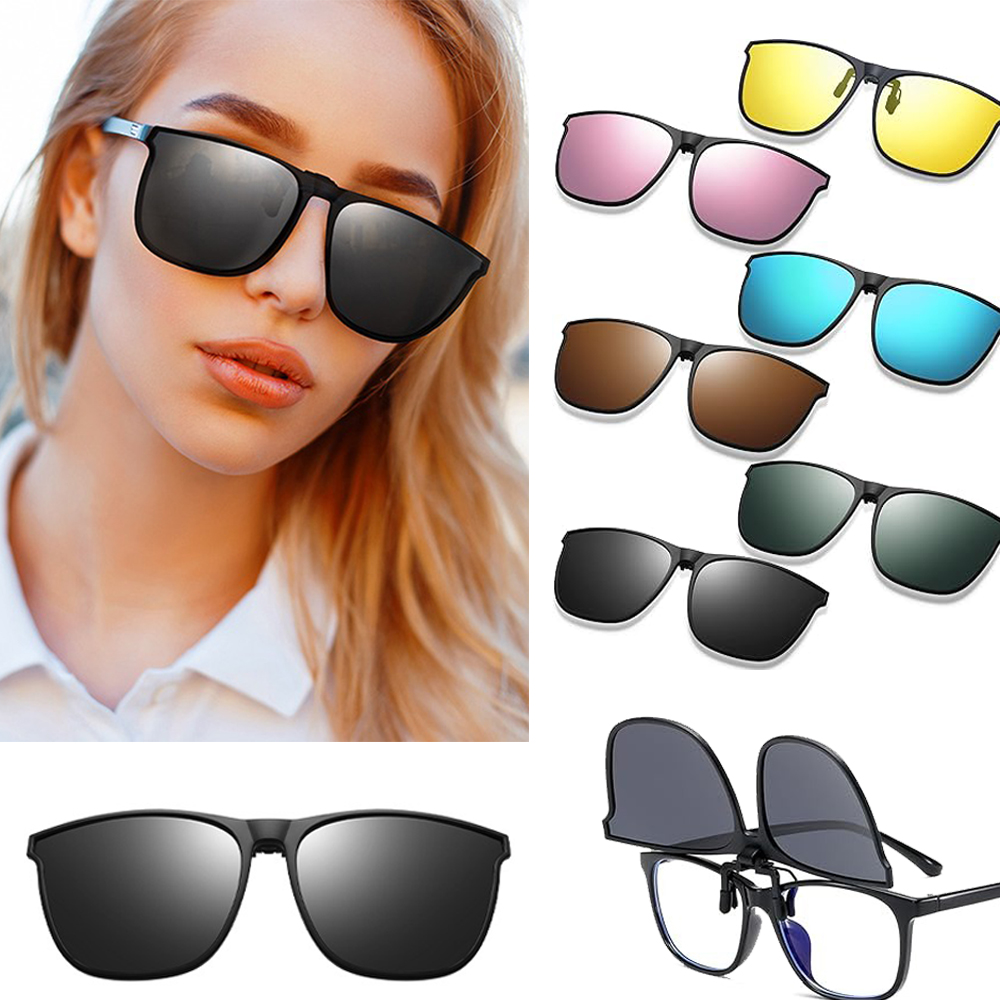
Some skip sunglasses because they wear prescription glasses. Clip-ons or prescription sunglasses solve this. UV defense shouldn’t depend on convenience.
Correcting myths empowers better choices. Knowledge turns casual use into committed care.
Environmental and Lifestyle Factors That Increase Risk
Several factors increase UV exposure and melanin activity. Living near the equator brings stronger sunlight. UV intensity peaks in tropical regions. Residents must be extra vigilant.
High altitudes expose you to more UV. Every 1,000 feet increases radiation by 10%. Mountain hikers need wraparound styles. Snow reflects up to 80% of UV. Double exposure occurs.
Beach environments amplify risk. Sand reflects 15% of UV. Water reflects even more. Sitting under an umbrella isn’t enough. Sunglasses remain essential.
Driving exposes one side of the face. Car windows block UVB but not all UVA. Left-side skin receives more radiation. Drivers often show asymmetrical pigmentation.
Outdoor jobs increase cumulative exposure. Farmers, construction workers, and lifeguards face constant UV. Protective gear should include sunglasses.
Sports players train during peak hours. Tennis, golf, and running occur midday. UV exposure builds quickly. Performance wear should include eye protection.
Air travel raises exposure. At cruising altitude, UV levels increase. Window seats receive direct sunlight. Flight crews show higher rates of pigmentation.
Urban living brings pollution. Particles in the air react with UV. Oxidative stress damages skin. Antioxidants help, but prevention works better.
All these elements combine. Cumulative stress triggers melanin production. Sunglasses prevent melanin production spikes. They serve as a daily defense tool.
Frequently Asked Questions About Sunglasses and Melanin
Do sunglasses really stop skin darkening?
Yes. By blocking UV rays, they reduce melanocyte activation. This prevents excess pigment.
Can I rely only on sunscreen around my eyes?
No. Creams wash off and sting. Sunglasses provide continuous, non-invasive protection.
Are polarized lenses necessary?
They reduce glare but don’t replace UV filters. Always check for UV400 regardless of polarization.
Do kids need sunglasses?
Absolutely. Their skin is thinner and more sensitive. Early protection prevents future issues.
What if I already have dark spots?
Start now. Further damage stops. Existing marks may fade with treatment.
Can blue light from screens cause pigmentation?
Emerging research suggests possible links. Use screen filters and limit night exposure.
Should I wear sunglasses in winter?
Yes. UV is present year-round. Snow reflects even more light.
Is there a best time to wear them?
Wear them whenever outdoors. Peak UV is between 10 a.m. and 4 p.m.
 Final Thoughts
Understanding that sunglasses prevent melanin production is vital for long-term health. This is not a marketing claim—it’s science-backed protection. UV exposure triggers pigment cells, leading to discoloration and aging.
Daily use of quality sunglasses reduces unnecessary stimulation. It supports even skin tone and prevents photoaging. Both cosmetic and medical benefits follow.
From choosing the right frame to wearing them consistently, every step matters. Education breaks myths. Awareness drives change.
Make sunglasses a non-negotiable habit. Just like sunscreen, they protect delicate facial skin. Together, they defend against melanin overproduction.
For anyone concerned about skin health, the message is clear. Sunglasses prevent melanin production caused by UV. Invest in your eyes and complexion today.